Highlights from the 2026 CHC Innovation Summit
How can community health centers expand services, address the needs that shape patients’ health, and sustain their mission in an increasingly challenging healthcare landscape?
That question brought health center leaders together at Advocates for Community Health’s 2026 2nd Annual CHC Innovation Summit, held October 5-6 in Dallas, Texas. Under the theme “Turning Challenges into Best Practices,” nearly 100 health center leaders from across the country explored strategies for financial sustainability, food access and nutrition support, housing programs, school-based care, patient engagement, and emerging technologies.
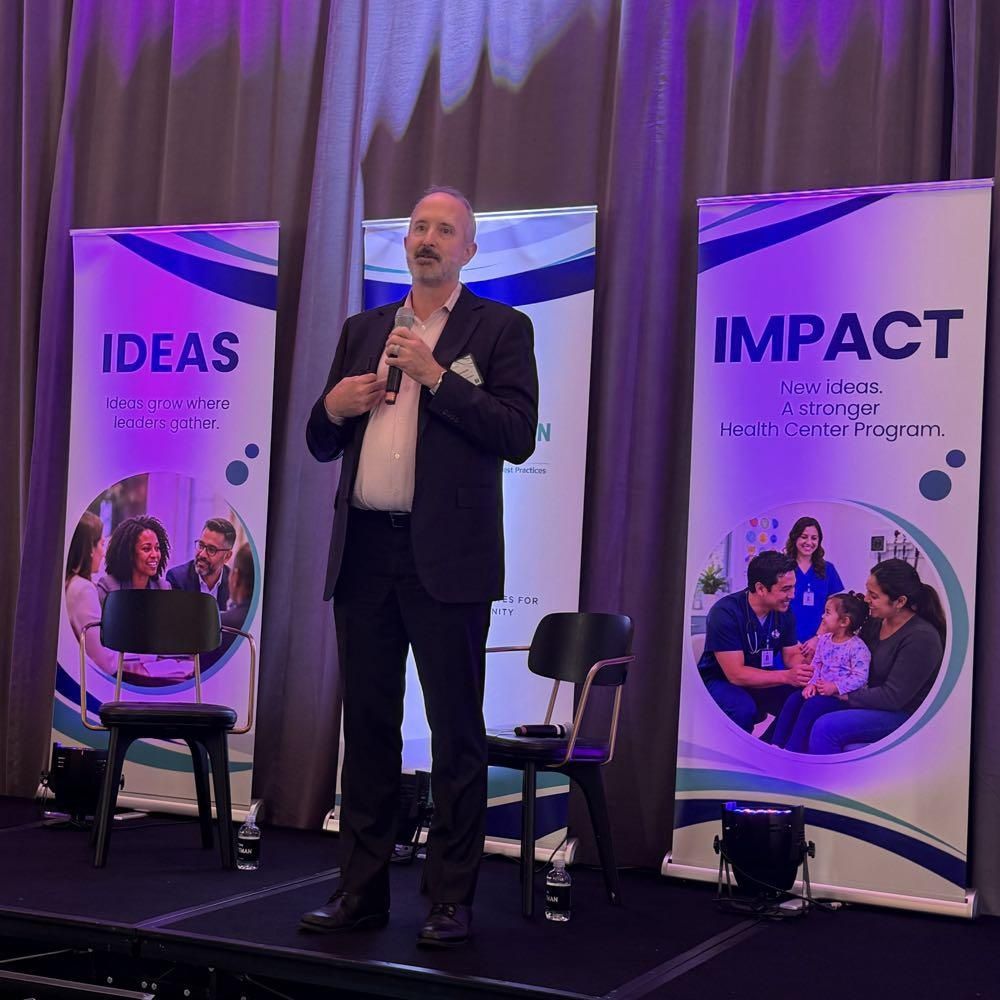
The Summit came at a particularly meaningful time as ACH celebrates five years of advocating for community health centers on the national level. Throughout the meeting, one message was clear: health centers are developing innovative solutions to meet the needs of their communities, and strong federal advocacy is essential to securing the resources and policies that allow those solutions to grow and last.
Protecting 340B Means Protecting Patient Care
The 340B Drug Pricing Program is a critical resource for community health centers, allowing them to stretch limited funding and reinvest savings into essential patient services. However, the proposed rebate model poses significant financial challenges that could undermine health centers’ ability to sustain and expand care for underserved patients. The stakes extend far beyond prescription drugs as health centers reinvest 340B savings into behavioral health, dental care, maternal health services, school-based clinics, and other essential services that might otherwise be impossible to sustain.
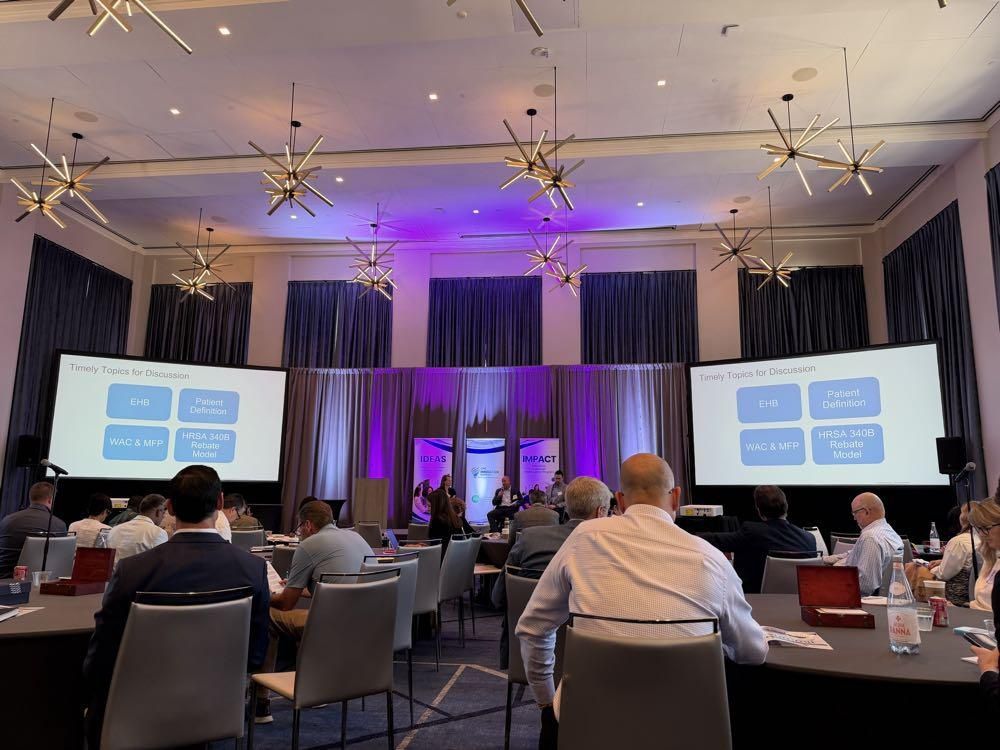
Against this backdrop, 340B emerged as a central topic throughout the Summit. In “Beyond the Basics: Timely 340B Topics for Health Centers,” presenters discussed pressing program challenges and considerations for health centers. The 340B Learning Collaborative, held ahead of the main Summit, provided another opportunity for health center leaders to share experiences and discuss strategies for navigating the changing landscape.
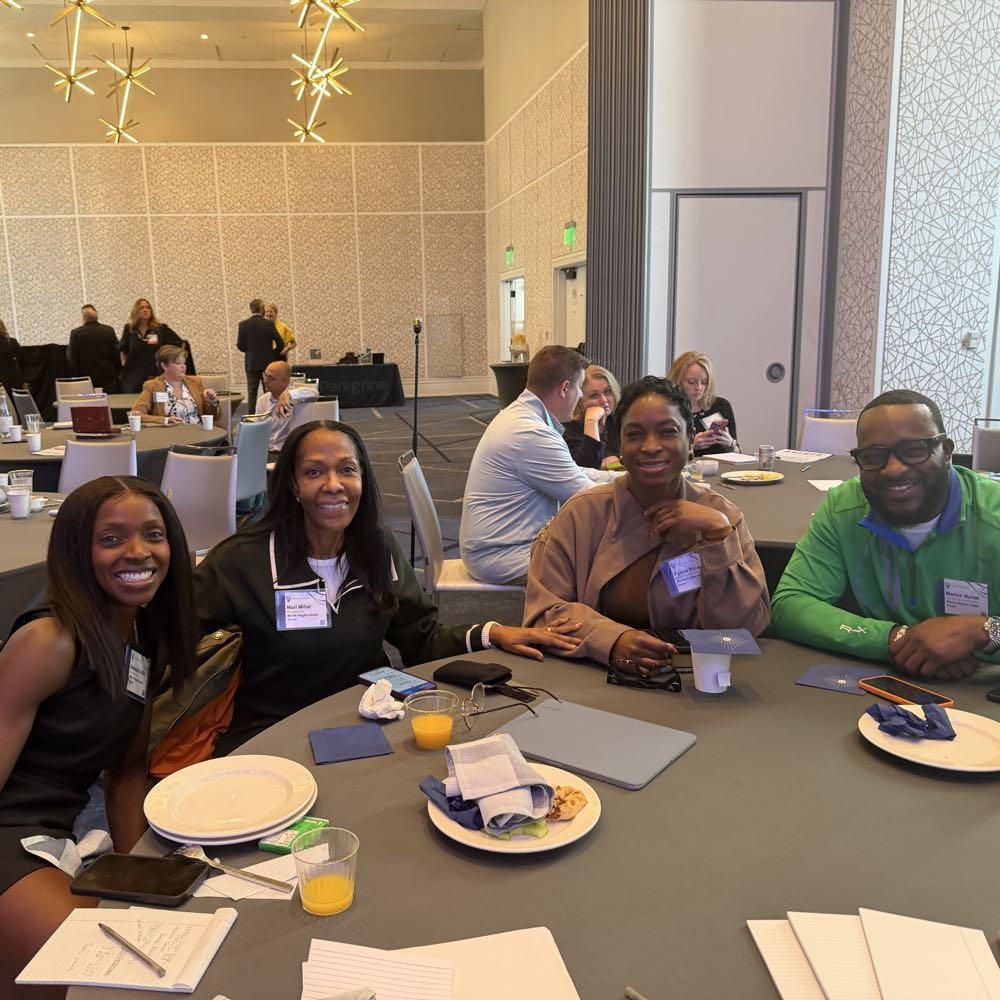
Just days after the Summit, on October 9, ACH welcomed the introduction of the bipartisan 340B Rebate Model Delay Act (H.R. 10770), legislation ACH co-developed with congressional offices. The bill, introduced by Representatives Rob Bresnahan (R-PA), Debbie Dingell (D-MI), Tracey Mann (R-KS), and Lois Frankel (D-FL), would delay implementation of the rebate model for two years, preserving upfront drug discounts while Congress considers comprehensive 340B reform. ACH is urging swift passage of the legislation to protect health centers from significant financial and administrative burdens and ensure that resources remain focused on patient care.
New Lines of Business That Further the Mission
As community health centers navigate rising costs and financial uncertainty, many are exploring new business models and revenue streams to sustain and expand patient services. In “New Lines of Business and Innovations to Further the CHC Mission,” Paulo Soares of Camarena Health and Maggie Moffett of the Fair Haven Community Health Care Foundation joined ACH CEO Amanda Pears Kelly to examine creative approaches to organizational growth.
The session explored alternative structures, including for-profit workers’ compensation services and dedicated foundation partnerships, that can diversify revenue, create operational flexibility, and support the health center mission.
These conversations continued during the kickoff of ACH’s Financial Optimization Learning Collaborative after the Summit, where health center leaders discussed shared financial challenges and opportunities to improve performance, evaluate new services, and build strategic partnerships.
These examples illustrated an important connection between strategy and advocacy: health centers are actively developing solutions to financial pressures. Policymakers need to understand both that ingenuity and the stable funding and supportive policies required to sustain it.
Food is Medicine: Advocating for Care That Addresses Patients’ Needs
We know that access to healthy food is a critical part of improving health outcomes, yet many patients face barriers to accessing nutritious meals and managing diet-related conditions. Community health centers are finding innovative ways to bridge that gap by bringing food and nutrition support directly into primary care. Two sessions explored how health centers can connect food access with clinical care.
Michael Pearson of Neighborhood Outreach Access to Health (NOAH) presented on the organization’s “Fresh for You” program. Through smart refrigerated food lockers and strategic partnerships, the initiative offers a model for integrating nutrition support into care while emphasizing patient dignity and reducing access barriers.
Dr. Jaclyn Albin of UT Southwestern expanded that conversation in “Beyond the Prescription Pad: Implementing Food as Medicine through Culinary Medicine.” Her session examined how culinary medicine, interdisciplinary care, and community partnerships can move nutrition interventions toward sustainable systems of care.
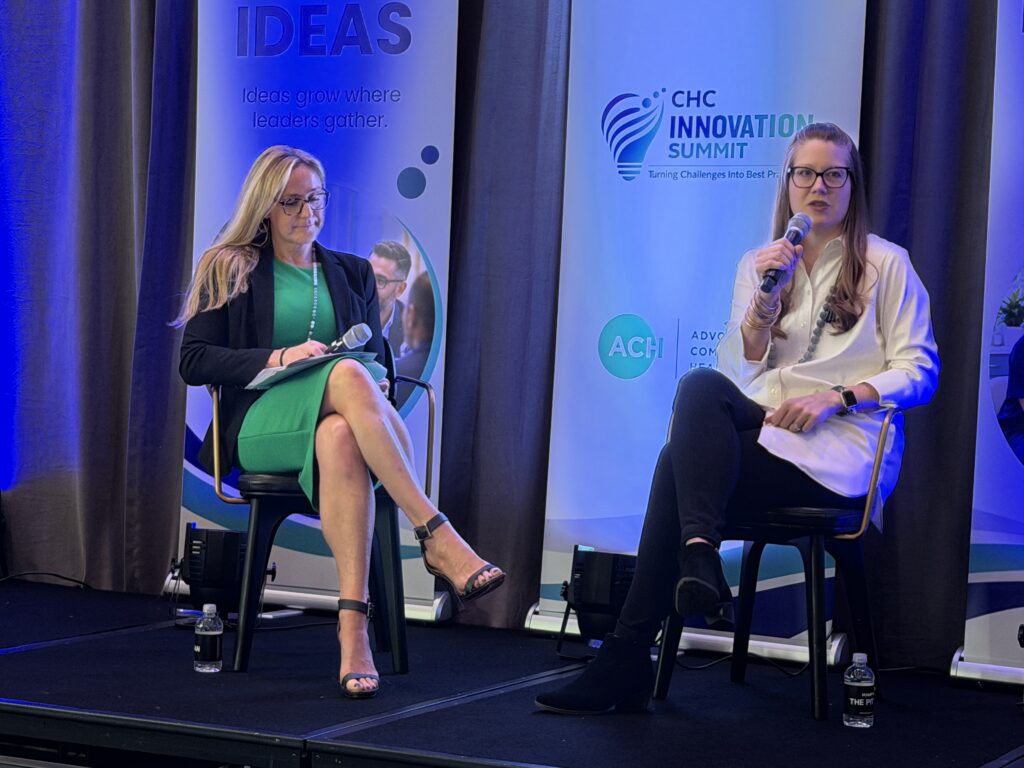
Together, the sessions demonstrated how health centers can move beyond traditional medical services to address the everyday factors influencing patients’ health. They also reinforced the need for sustainable funding and supportive policies that allow health centers to make food and nutrition support a lasting part of comprehensive care.
Reaching Patients and Strengthening School-Based Care
Improving access to care isn’t just about offering more services—it’s also about finding better ways to reach patients and deliver care where they are. At the Summit, health center leaders shared how new technologies, stronger patient engagement strategies, and operational improvements can help close gaps in care while strengthening financial sustainability.
In “Closing the Value-Based Care Engagement Gap,” Nekeisha Afful of Morris Heights Health Center and Sava Berhané of CareMessage explored the use of data, automated outreach, and responsible artificial intelligence to engage patients, support chronic care, and strengthen the financial case for value-based models.
Stephanie Ramirez of Legacy Community Health presented “Mastering the Shift: Building a High-Performance Culture in School-Based Care.” The session highlighted staffing and telehealth changes associated with 32% revenue growth and 3,000 additional annual visits.
Both of these sessions demonstrated how thoughtful operational changes can improve patient access and organizational performance. They also highlighted the importance of payment policies that recognize the resources required for patient outreach, care coordination, and delivering services in accessible community settings.
Housing Connects Patient Health and Workforce Stability
Stable housing is essential to both patient health and a strong health care workforce, but addressing housing needs requires health centers to think beyond traditional care delivery. At the Summit, leaders explored how health centers can take on these challenges through innovative housing programs and community partnerships. In “The Good, The Bad, and The Moldy’: Lessons Learned from Launching Patient and Workforce Housing Programs,” Peninsula Community Health Services leaders Jennifer Kreidler-Moss and Brynn Felix shared lessons from permanent supportive housing and employee housing initiatives. The session addressed operational and legal considerations, connecting housing with patient outcomes and workforce retention.
Evaluating Technology That Serves Health Centers
“Innovation That Works: Bringing High-Impact Startups to Community Health Centers” examined how leaders can evaluate emerging companies, distinguish useful solutions from market hype, and become influential partners in developing and deploying technology. The panel brought perspectives from Facktor, Yakima Valley Farm Workers Clinic, and Popai Health.
The closing session, “Artificial Intelligence and Paving the Path Forward,” featured Murali Athuluri of North East Medical Services (NEMS). He described how NEMS built technology across its organization to help offset Medicaid cuts, address workforce shortages and burnout, and reduce administrative burdens.
Together, these topics addressed a practical strategic question: How can health centers shape technology around their needs and use it to advance care, reduce administrative demands, and strengthen overall sustainability?

Turning Health Center Experience into Policy Influence
As we approach the 2026 midterm elections, the Summit also explored how health center leaders can translate their experiences into compelling stories and effective federal advocacy. In “Beyond the Headlines: Storytelling That Shapes Policy in an Election Year,” Amy Simmons Farber and Lauren Rubenstein discussed how health centers can elevate their impact through authentic, nonpartisan storytelling. The session emphasized identifying compelling patient and community narratives, using data to demonstrate impact, and communicating the value of health centers to policymakers and other audiences.
Looking ahead, “2027 and Beyond—What to Expect Following the 2026 Midterms” brought together ACH’s Amanda Pears Kelly, Stephanie Krenrich, and Elizabeth Lee to examine potential changes in Congress, the evolving federal policy landscape, and opportunities for health centers to engage effectively in the next Congress.
Across the Summit, one message stood out: the innovative work happening at health centers across the country is also a powerful advocacy tool. From expanding access to nutritious food and stable housing to developing new care models and strengthening financial sustainability, these efforts demonstrate what community health centers can accomplish when they have the resources and flexibility to respond to their communities’ needs.
As ACH celebrates five years of advocacy, we remain committed to bringing members’ experiences and solutions to Washington—protecting the 340B program, advancing policies that support comprehensive care, and ensuring that promising innovations can translate into lasting improvements in patient access.
Thank you to our generous sponsors UnitedHealthcare, Equiscript, CareMessage, Aledade, Facktor, and Peregrine Health for making this year’s Summit possible.